 UK
UK
 Hawaii
 USA
USA
The Complete Guide to Drone Ash Scattering in the UK: A Dignified, Eco-Friendly Way to Say Goodbye
The Complete Guide to Drone Ash Scattering in the UK: A Dignified, Eco-Friendly Way to Say Goodbye
Meta title: Drone Ash Scattering UK Guide | Aerial Ashes
Meta description: Discover how drone ash scattering works in the UK, including ceremony planning, legal guidance, sea scattering, locations, memorialisation and booking.
Grief can leave families facing deeply personal decisions at a time when concentration feels difficult. Choosing where and how to release cremated ashes can provide a sense of peace, connection and closure.
Drone ash scattering offers a dignified way to honour someone over a meaningful location. A specialist operator can manage the permissions, safety planning and ceremony details, allowing you to focus on remembering the person who has died. Learn more about Aerial Ashes’ professional drone ash scattering service across England, Scotland and Wales.
What is drone ash scattering?
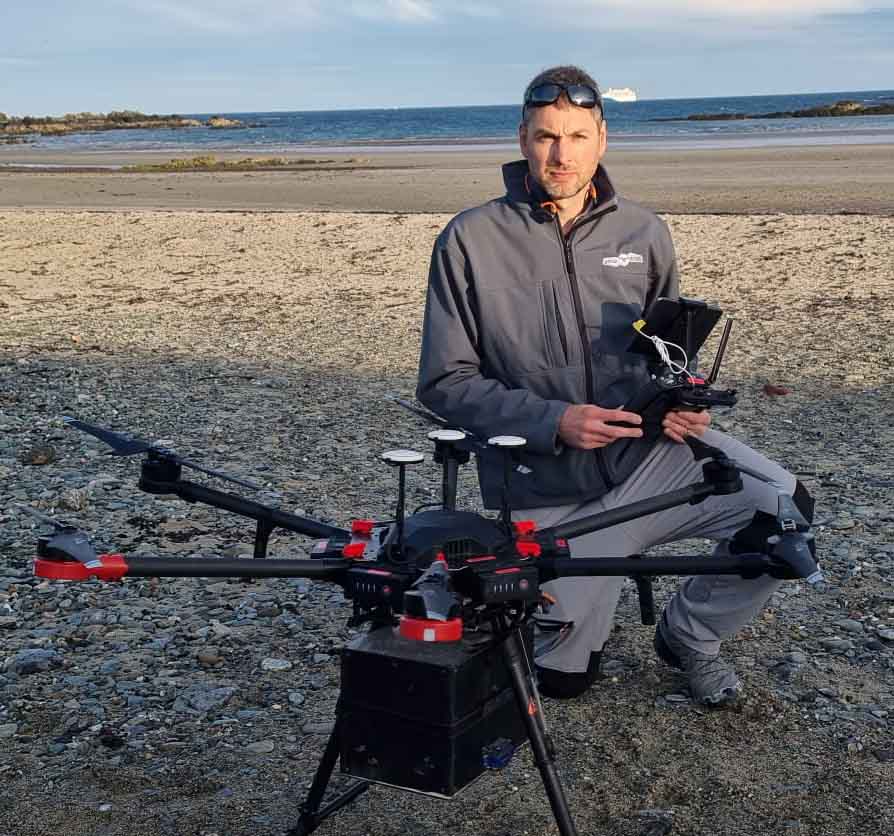
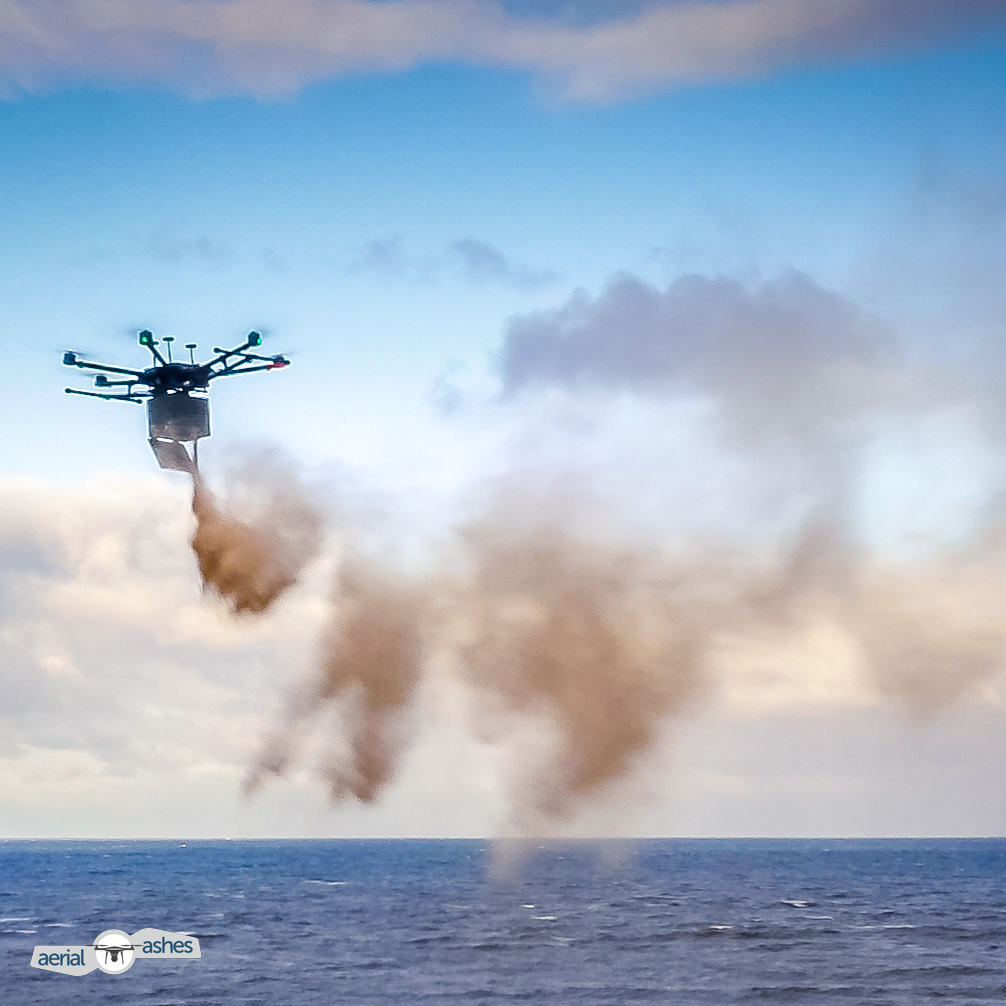
Drone ash scattering is a carefully planned memorial ceremony where a specialist drone carries and releases cremated ashes over a chosen location.
The location may be a coastline, beach, mountain, woodland, lake, river, estate or another place with personal meaning. The ashes can be released over land or water, subject to permissions, environmental considerations and safe operating conditions.
A professional ashes scattering ceremony can include:
- A private or family-led tribute.
- Music, readings, prayers or a moment of silence.
- A dignified drone flight and controlled release.
- Aerial filming of the ceremony.
- Live streaming for relatives who cannot attend.
- Scattering ashes from a single cremation or arranging a Together Forever ceremony for couples.
The purpose is not to focus on the technology. The purpose is to create a serene and meaningful farewell.
When ashes remain on the shelf
Many families keep an urn at home because they are not ready to decide. Months or years can pass. The ashes remain on the shelf, often carrying comfort, guilt and uncertainty at the same time.
This emotional weight is common. Keeping ashes close can feel like maintaining a connection, but it can also make the final decision feel increasingly difficult.
A planned ashes scattering ceremony can create a gentle point of transition. It allows you to choose a place that reflects a life, a relationship or a shared memory.
Research supports the importance of meaningful rituals, while also showing that grief does not follow one fixed pattern. In Journal of Palliative Medicine, Hudson and colleagues (2016) describe how personally meaningful rituals can provide comfort, purpose and a framework for processing loss.
Research by Mitima-Verloop, Mooren and Boelen (2021), published in Death Studies, also found that funerals and rituals are widely experienced as helpful, although their relationship with grief outcomes is complex. A ceremony will not remove grief, but it can help you express love and acknowledge change.

Why choose professional ashes scattering instead of DIY?
Some families initially plan to scatter ashes themselves. The intention is loving, but practical difficulties can turn a meaningful moment into a source of regret.
The DIY that went wrong
Wind can carry ashes unpredictably. An urn can be difficult to open. A beach may become crowded. A location may require permission that was not obvious. Weather can change quickly, and family members may feel overwhelmed when the moment arrives.
These issues do not reflect a lack of care. They show how difficult it can be to manage a ceremony while experiencing grief.
Professional ashes scattering provides structure and reassurance. A specialist operator can:
- Check whether the location is suitable.
- Identify and contact the landowner or site manager.
- Assess weather, wind and access.
- Check local airspace restrictions.
- Plan a safe take-off, flight and landing.
- Use the appropriate drone equipment.
- Arrange filming or live streaming.
- Coordinate the ceremony around your wishes.
Choose a professional service when you want the farewell to feel calm, respectful and carefully prepared. You can learn more about booking an ashes scattering ceremony before making a decision.
How a drone ashes scattering ceremony works
Every ceremony is planned around the person being remembered. The process usually follows these stages:
-
Discuss the person and the location
Share the places that mattered to your loved one. This could be a favourite beach, a family farm, a walking route, a football stadium, a mountain view or a sailing area.
-
Review suitability and permissions
The operator checks access, ownership, local restrictions, environmental considerations and airspace. Landowner permission is essential when scattering ashes on land that does not belong to the family.
-
Plan the ceremony
Decide who will attend, whether you would like readings or music, and whether family members want to speak. You can also choose live streaming or professional filming.
-
Complete the safety assessment
A professional operator assesses wind, weather, people, buildings, roads, wildlife and other aircraft. The flight must remain within the operator’s authorised conditions.
-
Carry out the ceremony
The drone rises from an agreed location and flies to the planned release point. The ashes are released gently and respectfully, allowing the family to observe the farewell from the ground.
-
Preserve the memory
A film can provide a lasting record of the ceremony. A private live stream can include family members who live elsewhere, are elderly, are in hospital or cannot travel.
Is drone ash scattering legal in the UK?
Drone ash scattering involves both aviation rules and ashes-scattering guidance. The operator must comply with current requirements in the relevant part of England, Scotland or Wales.
The Civil Aviation Authority identifies ash drops as the dropping of articles. Its special events guidance explains that ashes drops require an Article 89 Permission. A commercial operator may also need an operational authorisation and must follow the conditions attached to it.
A responsible operator should:
- Hold the appropriate CAA permissions and authorisations.
- Operate with suitable third-party liability insurance.
- Follow current drone safety rules.
- Maintain appropriate distances from uninvolved people.
- Check controlled airspace and Flight Restriction Zones.
- Obtain permission for take-off and landing.
- Obtain landowner permission for scattering over private or managed land.
- Consider wildlife, water users and sensitive habitats.
Read the Aerial Ashes legal requirements guidance for more information. This article is general guidance rather than formal legal advice. Requirements can change, so confirm the current position with the operator and relevant authorities.
Environmental guidance for scattering ashes
Cremated ashes generally have little impact when an individual ceremony is carried out with care. The Environment Agency advises families to minimise environmental impact and protect wildlife.
Follow these principles:
- Scatter ashes discreetly and respectfully.
- Avoid busy areas, buildings, entrances and other water users.
- Do not place plastic, metal, ribbons or non-biodegradable items in water.
- Avoid scattering near sensitive habitats and wildlife.
- Use only suitable biodegradable accompaniments, if any.
- Consider weather and wind direction carefully.
- Leave the location clean and undisturbed.
For coastal ceremonies, check whether the beach or foreshore requires permission. Beaches may be managed by a local council, private owner, conservation body or another organisation.
Ashes scattering locations across England, Scotland and Wales
A meaningful location often matters more than a famous one. Families choose places connected with ordinary life and treasured memories.
Suitable locations may include:
- Dorset and Devon beaches.
- Sussex and Kent coastlines.
- Cornwall and the Isles of Scilly, subject to local permissions.
- The Lake District and Scottish lochs.
- Welsh mountains and coastal landscapes.
- Family farms, gardens and private estates.
- Favourite walking routes.
- Lakes, harbours and quiet coastal waters.
- Football grounds and sporting locations, where permission is granted.
Consider the person’s relationship with the place. Was it where they felt most at home, where they spent holidays, or where they shared time with family?
For a ceremony involving several locations, interment ashes scattering can help families honour different parts of a person’s life. The service can also support Together Forever ceremonies and respectful pet memorials.
Ashes scattering at sea UK: drone or boat?
Families considering ashes scattering at sea in the UK often compare a drone ceremony with a boat scattering.
A boat ceremony places the family on the water and may suit someone who loved sailing, fishing or the open sea. It can also involve travel, tides, boat access and weather conditions.
Drone ash scattering allows the family to remain on the shoreline or at another agreed viewpoint while observing the release from above. This can be helpful for:
- Older relatives.
- People with limited mobility.
- Families affected by seasickness.
- Those who prefer not to travel by boat.
- Relatives joining by live stream.
- Ceremonies in locations where boat access is difficult.
The Marine Management Organisation states that a marine licence is required for a burial at sea, but that a licence or permission is not needed to scatter ashes at sea after cremation. Local landowner, environmental and aviation requirements still matter, especially when using a beach or drone.
Memorialisation options for your ceremony
A farewell can include people who are not physically present. A private live stream allows relatives across the UK and overseas to watch the ceremony in real time.
Aerial Ashes’ live-streamed ashes scattering ceremonies can be suitable for:
- Family living abroad.
- Relatives who cannot travel.
- People in care homes or hospitals.
- Those with mobility difficulties.
- Friends who want to be present from a distance.
Professional filming provides another way to remember the day. An edited video can preserve the landscape, the flight and the atmosphere of the ceremony for the family.
Other services include:
- Together Forever: scatter the ashes of a couple together.
- Pet memorials: honour a cherished dog, cat or other companion.
- Multiple locations: reflect the different places a person loved.
- Family-led tributes: include readings, music and personal words.
How to book professional drone ash scattering
Begin by choosing the location and discussing what feels appropriate for your family. You do not need every detail decided immediately.
A specialist provider can guide you through:
- The preferred location or locations.
- Landowner and site permissions.
- CAA and flight planning requirements.
- Weather and timing.
- Attendance and accessibility.
- Live streaming and filming.
- Collection or delivery of the ashes.
- Ceremony arrangements and personal requests.
Use the Aerial Ashes booking service to share your preferred locations and requirements. The team can review the practical details and help you plan a peaceful ceremony.
A dignified way to say goodbye
Scattering ashes is an intensely personal decision. Choose a location that feels true to the life being remembered, then allow the ceremony to remain simple and sincere.
Drone ash scattering can provide a safe, dignified and environmentally considered way to release cremated ashes. It can reduce the practical pressure on families while creating space for reflection, connection and closure.
Whether you are considering a beach, mountain, family estate, loch, river or ashes scattering at sea in the UK, professional support can help you make the arrangements with care.
Explore Aerial Ashes to learn more about professional ashes scattering, live streaming, filming, Together Forever ceremonies and pet memorials across England, Scotland and Wales.
We're Online! How may I help you today?
References
- Hudson, P., Remedios, C., Zordan, R., Thomas, K., Clifton, D., Crewdson, M., Hall, C., Trauer, T., Boland, J. and Clarke, D. (2016). “Personally Meaningful Rituals: A Way to Increase Meaning in the End of Life.” Journal of Palliative Medicine, 19(10), 1043–1050. https://doi.org/10.1089/jpm.2015.0294
- Mitima-Verloop, H.B., Mooren, G.T.M. and Boelen, P.A. (2021). “Facilitating grief: An exploration of the function of funerals and rituals in relation to grief reactions.” Death Studies, 45(9), 735–745. https://doi.org/10.1080/07481187.2019.1686090
- Castle, J. and Phillips, W.L. (2003). “Grief Rituals: Aspects That Facilitate Adjustment to Bereavement.” Journal of Loss and Trauma, 8(1), 41–71. https://doi.org/10.1080/15325020305876
- Benham, C. and Hoerst, D. (2024). “What role do social-ecological factors play in ecological grief? Insights from a global scoping review.” Journal of Environmental Psychology, 93, 102184.
- Ulrich, R.S., Simons, R.F., Losito, B.D., Fiorito, E., Miles, M.A. and Zelson, M. (1991). “Stress recovery during exposure to natural and urban environments.” Journal of Environmental Psychology, 11(3), 201–230.
- Civil Aviation Authority. “Special events.” https://www.caa.co.uk/general-aviation/flying-displays-and-special-events/special-events/
- Environment Agency. “Meeting the needs of families and the environment: Funeral practices, spreading ashes and caring for the environment.” https://www.gov.uk/government/organisations/environment-agency
- Marine Management Organisation. “How to arrange a burial at sea in the UK marine area.” https://www.gov.uk/guidance/how-to-get-a-licence-for-a-burial-at-sea-in-england