 UK
UK
 Hawaii
 USA
USA
Drone Ash Scattering at Cape May, New Jersey: A Serene Seaside Farewell and a Franchise Opportunity for US Pilots
Meta title: Cape May Drone Ash Scattering | Aerial Ashes
Meta description: Plan a serene Cape May, New Jersey drone ash scattering with permissions, live streaming, filming, and a $17,500 US franchise opportunity for pilots.
Grief often leaves families with one final responsibility, deciding how to honour a loved one with care, dignity, and meaning. A familiar coastline can hold memories of childhood holidays, quiet walks, fishing trips, sunsets, and time spent together.
At Cape May, New Jersey, drone ash scattering and drone ashes scattering can provide a calm, carefully managed way to create that farewell. For FAA-qualified US pilots, the same service offers an opportunity to build a professional memorial business in a distinctive coastal market.
Drone Ash Scattering at Cape May, New Jersey: A Serene Seaside Farewell and a Franchise Opportunity for US Pilots
Why Cape May holds meaning
Cape May sits at the southern tip of the Jersey Shore, where the Delaware Bay meets the Atlantic Ocean. Its landscape offers families many ways to reflect a person’s life and personality.
Choose Cape May when the location connects with memories such as:
- The Cape May Lighthouse and its sweeping views across the Atlantic, Delaware Bay, beaches, and wetlands.
- Victorian homes, porches, and streets that make the town feel rooted in history.
- Sunsets at Cape May Point and Sunset Beach.
- Family beach days, swimming, walking, and collecting Cape May diamonds.
- Birdwatching around Cape May Point and the Cape May National Wildlife Refuge.
- Fishing, boating, sailing, and time spent on the water.
The Cape May Lighthouse was built in 1859 and is managed through the Mid-Atlantic Center for the Arts & Humanities. The surrounding Cape May Point State Park is managed by New Jersey state authorities, so families should confirm current permission requirements before planning a ceremony or launching a drone.
A professional service can help you explore a meaningful setting without placing every practical decision on one grieving family member. Read the family guide to scattering ashes at sea when you are considering a coastal farewell.
Give the ashes on the shelf a peaceful next chapter
Many families keep an urn at home because they are not ready to make a final decision. Others feel guilty that months or years have passed without arranging a ceremony.
The ashes may remain on a shelf while family members wait for the right place, the right weather, or the emotional strength to proceed. This does not mean anyone has failed. It often means the decision carries profound importance.
When the time feels possible, choose a ceremony that lets you focus on remembrance instead of logistics. A professional drone ash scattering service can manage location planning, permissions, weather checks, safety procedures, and the release itself.
Research by Norton and Gino found that meaningful rituals can help people process grief and regain a sense of control after loss. Their findings, published in the Journal of Experimental Psychology: General (2014), support the value of intentional actions during difficult emotional experiences.
Create a ceremony that reflects the person. Include music, a reading, a prayer, a quiet pause, or simply the sound of the sea.
Avoid the DIY that went wrong
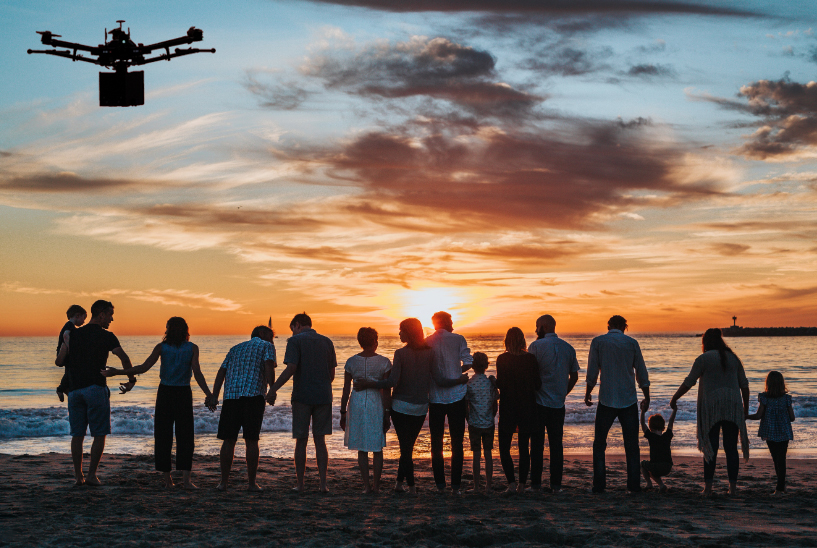
Scattering ashes personally can feel intimate and appropriate for some families. However, coastal conditions can change quickly.
Wind direction, sudden gusts, uneven sand, limited beach access, boat movement, nearby visitors, and the handling of the urn can create uncertainty. A release that should feel peaceful can become stressful if the ashes move unpredictably or the location is not permitted.
A professional service offers another option. It does not criticise a family’s wishes. It supports those who want help with the details.
Use an experienced operator to:
- Review the proposed Cape May location.
- Confirm permission from the landowner or managing authority.
- Check beach access, nearby visitors, wildlife sensitivity, and launch conditions.
- Assess wind, visibility, airspace, and safe operating distances.
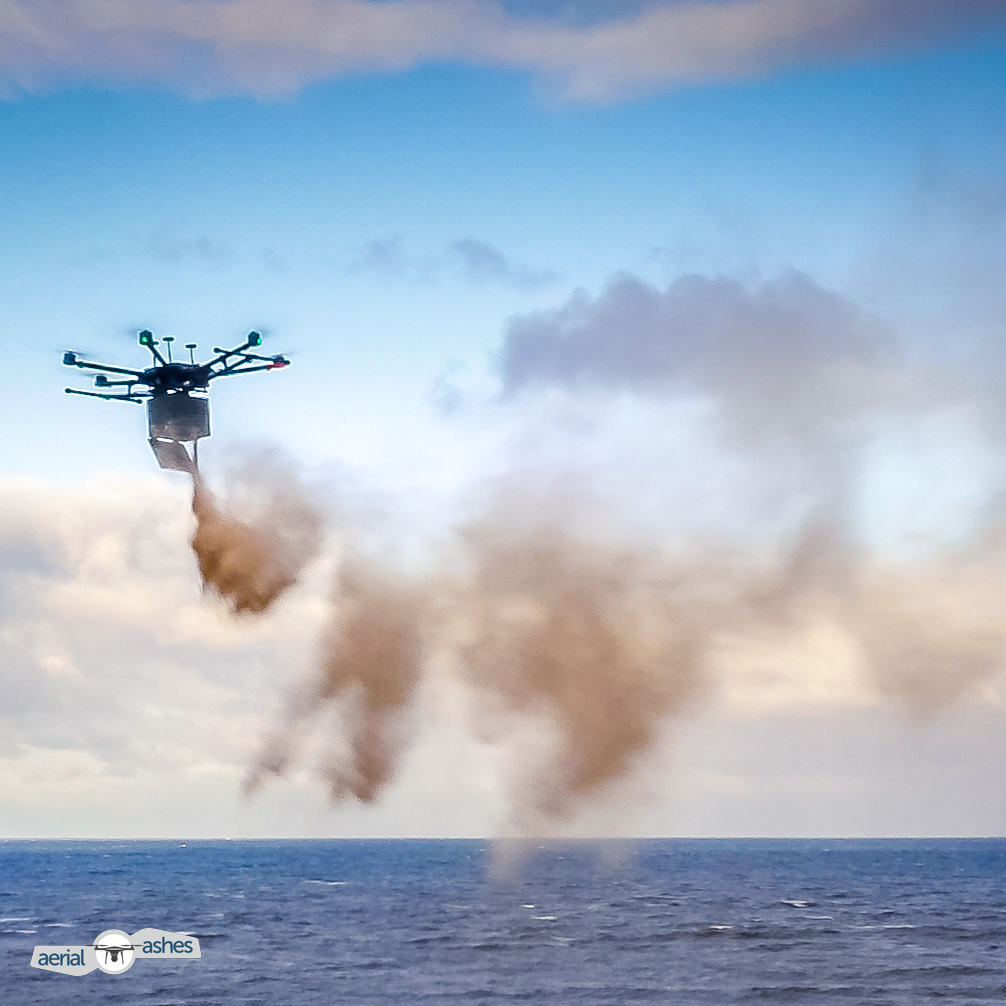
- Prepare the drone and controlled release system.
- Brief the family and establish a comfortable viewing area.
- Provide live streaming or professional filming if requested.
- Keep records of the ceremony and complete relevant reporting.
This approach can move the experience from uncertainty to relief. The family remains involved, while the technical and administrative work receives proper attention.
How a controlled Cape May ceremony works
Plan each ceremony around the family, the location, and current local requirements.
-
Discuss the person and the location
Begin with the memories behind the choice. Cape May Point, the lighthouse area, a private coastal property, a beach, or an offshore position may each create a different kind of farewell.
-
Confirm permissions
Obtain written permission where appropriate. Public beaches, Cape May Point State Park, marinas, private land, and other managed locations may have separate requirements. The New Jersey information for Cape May Point State Park should be checked alongside current guidance from the relevant authority.
-
Review wildlife restrictions
The Cape May National Wildlife Refuge protects important beach, bayshore, saltmarsh, and forest habitats along the Atlantic Flyway. Drone operations and ash scattering may be restricted, particularly near nesting or migrating birds. Do not assume that public access allows drone use or memorial releases.
-
Check FAA requirements
A paid ceremony generally requires an FAA-certified remote pilot operating under Part 107. Review drone registration, Remote ID, visual line of sight, airspace, altitude, weather, operations near people, and the safe handling of any release equipment.
-
Plan the sea scattering correctly
If ashes are released into ocean waters, EPA burial-at-sea guidance requires cremated human remains to be placed at least three nautical miles from shore. The event must also be reported to the EPA within 30 days.
A drone should not simply fly several miles offshore from the beach, because visual line of sight requirements still apply. A suitable offshore plan may involve launching and recovering the drone from a boat positioned beyond three nautical miles, with the pilot and visual observer maintaining safe control.
-
Choose suitable materials
Use only cremated remains and, where appropriate, natural biodegradable flowers or wreaths. Do not release plastic, metal, glass, synthetic decorations, or a non-degradable urn into the ocean.
-
Conduct the ceremony
On the day, allow the family to gather, speak, listen, or remain quiet. Release the ashes from a safe, controlled position and avoid placing unnecessary pressure on relatives to manage the equipment.
Include relatives who cannot travel
Distance should not prevent someone from taking part in a meaningful farewell. Relatives may live in another state, another country, a care home, a hospital, or a place where travel is not possible.
Aerial Ashes can provide a private live stream, allowing invited family members to watch from a smartphone, tablet, or computer. Use a stable camera position, test the connection in advance, and plan for wind and coastal noise.
Families can also request professional filming and an edited ceremony video. This creates a private keepsake that can be watched later, shared with relatives who could not attend, or included in a personal memorial archive.
Learn more about live-streamed funeral and memorial ceremonies before making your arrangements.
A $17,500 US franchise opportunity for drone pilots
Cape May and the wider New Jersey, New York, and Connecticut region offer a strong setting for a specialist memorial service. The area includes established coastal communities, funeral providers, celebrants, hospice networks, veteran groups, and families with deep connections to the sea.
The Aerial Ashes franchise opportunity is designed for FAA Part 107 operators who want to build a premium local service rather than compete in crowded, price-sensitive drone markets.
The investment is $17,500 USD and includes:
- A protected territory.
- One operator per defined service area, subject to availability.
- Brand usage rights.
- Technical system guidance.
- Ceremony and operational training.
- Risk management and consultation frameworks.
- Marketing templates and launch resources.
- Referral strategy materials.
- Access to an established international specialist brand.
At an illustrative ceremony price of $2,500, approximately seven bookings would equal $17,500 in gross ceremony revenue. This is a simple break-even illustration before insurance, equipment, travel, marketing, taxes, and other operating costs. It is not a guarantee of income.
Build referral relationships with:
- Funeral directors.
- Cremation providers.
- Celebrants.
- Hospice organisations.
- Probate and wills solicitors.
- Veteran and community groups.
- Pet memorial providers.
- Marinas and suitable boat operators.
Pet ceremonies require separate legal and environmental checks. The EPA burial-at-sea general permit applies to human remains and does not cover pet ashes.
Review the Aerial Ashes drone memorial business opportunity to learn more about territory protection, training, and the operating model.

Choose a peaceful farewell at Cape May
A Cape May ceremony can be simple, private, and personal. Invite close family to the shore, arrange a quiet offshore release, include distant relatives through live streaming, or preserve the occasion through an edited film.
The most important choice is not how elaborate the ceremony appears. It is whether the setting and the farewell reflect the life being honoured.
For families, professional drone ash scattering can provide dignity, controlled release, environmental care, and relief from difficult logistics. For US pilots, it offers a structured opportunity to develop a compassionate business in a specialist market.
Plan carefully. Confirm current EPA, FAA, state, local, park, wildlife, beach, marina, and vessel requirements. Then allow the ceremony to centre on the memories that matter.
Explore the Aerial Ashes homepage to learn more about memorial ceremonies, or watch the Aerial Ashes YouTube channel for examples and business guidance.
References
- Norton, M. I., and Gino, F. (2014). “Rituals Alleviate Grieving for Loved Ones, Lovers, and Lotteries.” Journal of Experimental Psychology: General, 143(1), 266–272.
- United States Environmental Protection Agency. (2025). Burial at Sea. EPA guidance.
- Federal Aviation Administration. (2026). Certificated Remote Pilots Including Commercial Operators. FAA Part 107 guidance.
- U.S. Fish and Wildlife Service. (2026). Cape May National Wildlife Refuge. Official refuge information.
- Mid-Atlantic Center for the Arts & Humanities. Cape May Lighthouse. Lighthouse information.
This article provides general information only. Confirm current requirements with the relevant authorities before arranging a ceremony at Cape May, Cape May Point, a wildlife refuge, a state park, a beach, or offshore.
We're Online! How may I help you today?