 UK
UK
 Hawaii
 USA
USA
Drone Ash Scattering at Hanalei Bay, Kauai: A Serene Hawaiian Farewell and a Franchise Opportunity for US Pilots
Drone Ash Scattering at Hanalei Bay, Kauai: A Serene Hawaiian Farewell and a Franchise Opportunity for US Pilots
Meta title: Drone Ash Scattering at Hanalei Bay | Franchise
Meta description: Explore a dignified drone ash scattering at Hanalei Bay, including Hawaii regulations, EPA burial-at-sea rules, and a franchise opportunity for US drone pilots.
Grief often brings a quiet decision that families may postpone for months or even years: what should happen to the ashes resting on a shelf at home? For some, the answer is a meaningful place, such as the calm waters, green mountains, and open skies of Hanalei Bay, Kauai.
Aerial Ashes Matt has pioneered drone ash scattering as a dignified, personalised way to honour a loved one. The service combines careful planning, professional aviation, and a serene ceremony that can help families move from uncertainty towards peace.
Let the place carry part of the farewell
A significant location can hold memories that words cannot easily express. Hanalei Bay may represent family holidays, a lifelong love of the ocean, a favourite walking route, or the freedom and beauty someone valued deeply.
Choose a farewell location that reflects the person. Let the setting support the ceremony without overpowering it.
A professional ceremony can include:
- A carefully planned release of cremated ashes from a drone.
- A private or shared moment for family and friends.
- Live streaming for relatives who cannot travel.
- Professional filming, edited into a lasting memorial video.
- Assistance with permissions, logistics, and location planning.
Research supports the value of meaningful rituals during bereavement. Norton and Gino (2014), writing in the Journal of Experimental Psychology: General, found that rituals can help people manage grief partly by restoring a sense of control. The important point is not whether a ritual follows a traditional format. It is whether the ceremony feels sincere and appropriate for the person being remembered.
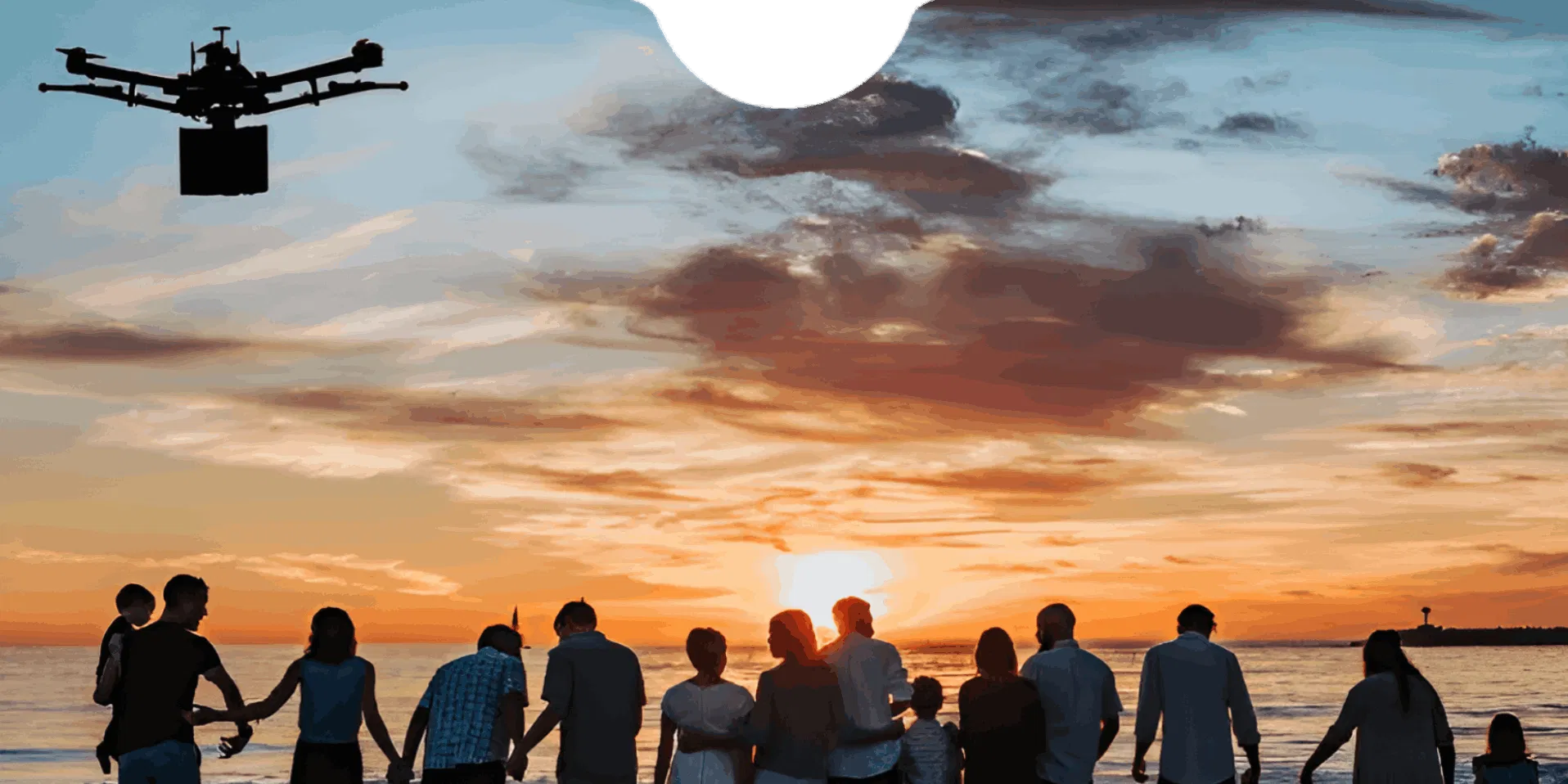
When the ashes remain on the shelf
Ashes can remain at home because family members feel unsure, emotional, or responsible for making the decision alone. Some people feel guilt about delaying the scattering. Others worry that the moment may go wrong, that the wind may change, or that they may not be able to complete the ceremony when the time comes.
Do not judge that hesitation. Treat it as part of the grieving process.
A planned drone ashes scattering ceremony can provide a gentle way forward. You can choose the location, music, readings, timings, and people involved. You can also remain present without having to carry out every practical part of the release yourself.
Learn more about how to plan your own ceremony, whether you are arranging a farewell in the UK or exploring options for an international location such as Kauai.
Avoid the uncertainty of an unplanned release
DIY scattering can feel simple in theory. In practice, families may face strong wind, uneven ground, difficult access, unexpected visitors, or uncertainty about local rules. The emotional pressure can make each practical decision harder.
A professional service helps you prepare in stages:
-
Select the meaningful location.
Identify the land, shoreline, private property, or offshore setting that connects with the person’s life. -
Confirm permissions and restrictions.
Check land ownership, local park rules, airspace, marine regulations, and environmental requirements. -
Create the ceremony.
Choose who attends, whether the event is live streamed, and how the person will be remembered. -
Complete the release safely.
Use a suitable drone and release system, operated by a trained and legally compliant pilot. -
Preserve the memory.
Arrange professional filming and an edited video if you want to revisit the ceremony later.
Hanalei Bay requires careful legal planning
Hanalei Bay is an extraordinary location, but it is not a simple place to launch a commercial drone. The FAA controls the national airspace, while local and state authorities control activities on public land and in managed waters.
Kauai County prohibits launching or landing drones on county properties without written permission. This is especially important because many obvious shoreline locations, including beach parks, fall under county management. Check the Kauai County guidance on safe drone operations before making any arrangements.
Hawaii State Parks also prohibit the use, launching, or landing of drones unless an appropriate written permit has been granted. This affects locations such as Nāpali Coast State Wilderness Park. Read the Hawaiʻi State Park rules and do not assume that a scenic viewpoint is available for commercial filming or ash scattering.
Hanalei Bay ocean waters also have specific administrative restrictions. The Hawaii Administrative Rules for Hanalei Bay cover matters including:
- Slow-no-wake areas.
- Designated swimming zones.
- Vessel anchoring and mooring.
- Ingress and egress areas.
- Commercial passenger loading and unloading.
- Commercial tours and water-based activities.
These rules do not automatically ban every drone flight over the bay. They do mean that a boat-based ceremony, passenger transfer, or commercial operation within the bay may require additional permissions from DLNR and Kauai County.
Do not rely on a launch point that appears convenient. Confirm the exact land status, property owner, shoreline boundary, wildlife protections, and airspace before offering a ceremony.
Understand EPA burial-at-sea requirements
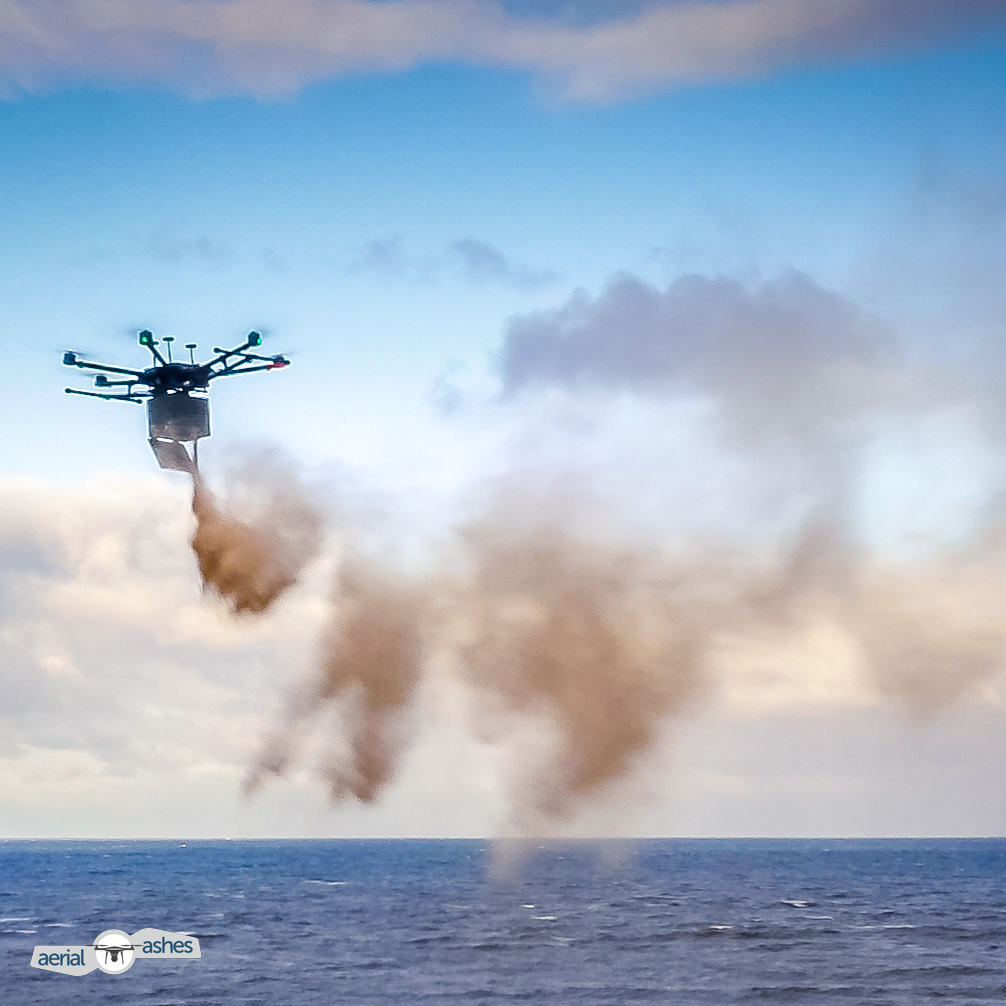
A release in Hanalei Bay is not the same as an EPA-authorised burial at sea. Under the EPA’s general permit, cremated human remains must be released at least three nautical miles from shore in ocean waters.
The EPA also requires notification within 30 days of the event through the EPA Burial at Sea Reporting Tool. Families and operators should read the full EPA burial-at-sea guidance before planning an offshore ceremony.
Keep the environmental details simple and responsible:
- Release human cremated remains only where legally permitted.
- Avoid plastic flowers, synthetic wreaths, and non-decomposable memorial objects.
- Keep the drone, release equipment, and vessel under control at all times.
- Do not scatter near swimmers, boats, wildlife, reefs, or sensitive habitats.
- Remember that the EPA general permit does not cover pet ashes or other non-human remains.
A drone can support a low-impact ceremony by allowing a precise release without requiring a large gathering in the water or repeated movement across sensitive shorelines. Technology does not remove environmental responsibility. It makes careful planning essential.
The professional turning point
The turning point comes when the family no longer has to choose between postponing the ceremony and managing every detail alone.
A professional drone ash scattering service can offer:
- A graceful aerial release over an approved location.
- Experienced planning for weather, wind, tides, and access.
- A clear chain of responsibility for permissions and safety.
- A quiet ceremony that allows the family to focus on remembrance.
- Live streaming for people who cannot attend in person.
- Filming that preserves the landscape, ceremony, and spoken tribute.
This approach also helps families who find physical access difficult or who feel unable to carry out the scattering themselves. Remain close to the ceremony without taking on every practical responsibility.
For families considering a Hawaiian farewell, begin with a location and compliance review. Contact Aerial Ashes Matt through the ceremony planning service to discuss what may be possible and which permissions must be confirmed locally.
FAA Part 107 requirements for US operators
A US pilot providing commercial drone ash scattering must comply with FAA Part 107 requirements. The FAA explains that commercial operators generally need to:
- Obtain an FAA Remote Pilot Certificate.
- Understand and follow Part 107 operating limitations.
- Register the drone where required.
- Check airspace restrictions and authorisations.
- Maintain visual line of sight unless a valid waiver applies.
- Operate safely, without creating a hazard to people or property.
- Follow applicable rules for night operations, operations over people, and controlled airspace.
Review the FAA guidance for certificated remote pilots and commercial operators before planning a service. Confirm local launch and landing permissions separately, because FAA compliance does not override county, state park, marine, or private property rules.
A franchise opportunity for US drone pilots
Experienced pilots already understand the value of preparation, weather awareness, aircraft maintenance, and safe flight procedures. A franchise can add a clear memorial service model to those technical skills.
Aerial Ashes Matt offers a franchise opportunity for pilots outside the UK who want to develop drone ash scattering ceremonies in their own country or territory.
The current franchise details include:
- Investment: $17,500 USD.
- Protected territory: Build the service within an agreed geographic area.
- Training and operational guidance: Follow an established ceremony model rather than creating every process from the beginning.
- Multi-award-winning brand association: Operate under the identity of a recognised pioneer in drone memorial services.
- Potential break-even: Around seven bookings, depending on local pricing, operating costs, permissions, insurance, and demand.
Treat the seven-booking figure as a planning guide, not a guarantee. Research your local funeral sector, cremation providers, celebrants, coastal authorities, environmental rules, and insurance requirements before investing.
Build relationships with:
- Funeral directors.
- Funeral celebrants.
- Probate and wills solicitors.
- Crematoria.
- Hospice and bereavement organisations.
- Families seeking a personalised memorial service.
- People who need help completing a scattering when there is no close family available.
Start by exploring the drone memorial business opportunity. Learn how the model could work in your region, then assess whether your local regulations and customer base support a dignified, professional service.

A meaningful farewell, planned with care
Hanalei Bay can represent freedom, family, beauty, and belonging. It can also involve strict rules that require careful research before a drone ash scattering ceremony can take place.
Plan from the person’s connection to the location. Confirm every permission. Follow FAA Part 107, Hawaii regulations, Kauai County requirements, and EPA burial-at-sea rules where they apply.
For families, professional planning can bring relief when the ashes have remained on the shelf for too long. For US drone pilots, the same careful process creates an opportunity to build a trusted memorial service with purpose.
Choose dignity. Protect the environment. Allow the farewell to reflect the life being remembered.
References
- Norton, M. I., and Gino, F. (2014). “Rituals Alleviate Grieving for Loved Ones, Lovers, and Lotteries.” Journal of Experimental Psychology: General, 143(1), 266–272.
- Montross-Thomas, L. P., Scheiber, C., Meier, E. A., and Irwin, S. A. (2016). “Personally Meaningful Rituals: A Way to Increase Compassion and Decrease Burnout Among Hospice Staff.” Journal of Palliative Medicine, 19(10), 1043–1050.
- Vale-Taylor, P. (2009). “We Will Remember Them: A Mixed-Method Study to Explore Which Post-Funeral Remembrance Activities Are Most Significant and Important to Bereaved People.” Palliative Medicine, 23(6), 537–544.
- U.S. Environmental Protection Agency. (2025). Burial at Sea.
- Federal Aviation Administration. (2025). Certificated Remote Pilots Including Commercial Operators.
- Hawaiʻi Department of Land and Natural Resources. Hawaiʻi State Park Rules.
- Hawaiʻi Department of Land and Natural Resources, Division of Boating and Ocean Recreation. Chapter 256 compiled rules.
We're Online! How may I help you today?