 UK
UK
 Hawaii
 USA
USA
Scattering Ashes: The Complete UK Guide to a Dignified Farewell
Scattering Ashes: The Complete UK Guide to a Dignified Farewell
Choosing what to do with cremated ashes can feel deeply personal. Some families know immediately where a loved one would have wanted to rest, while others keep the ashes at home until the right place, time and ceremony become clear. Scattering ashes can provide a meaningful sense of release, especially when the location reflects a person’s life, interests or happiest memories.
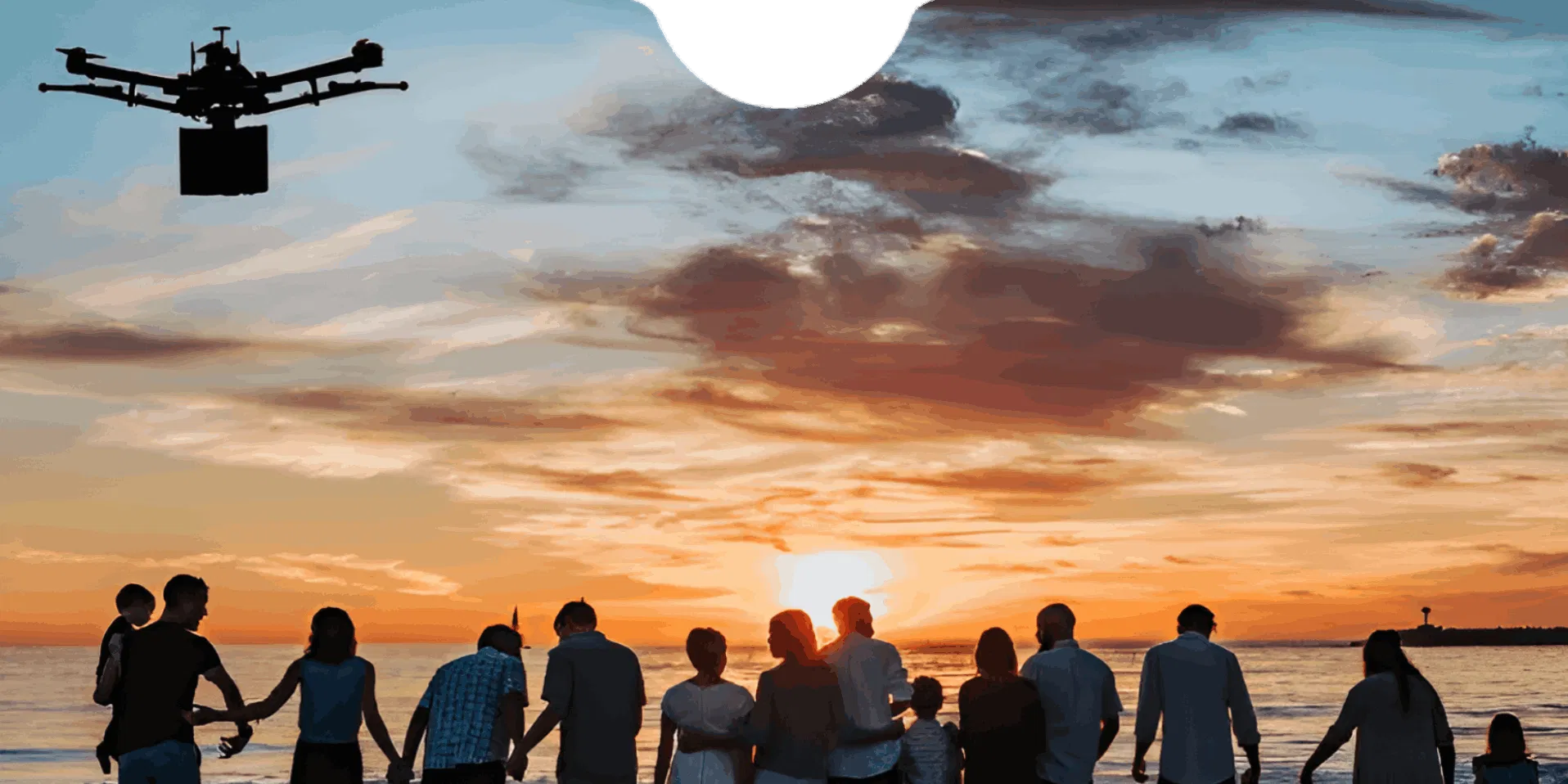
A dignified farewell does not need to be complicated. You may choose a quiet beach, a favourite walking route, a mountain view, a family garden or a place connected with a lifelong passion. A professional drone ash scattering ceremony can also help when handling the ashes feels too emotional, the location is difficult to reach or family members cannot attend in person.
1. Begin with the emotional decision
Many families experience what could be called the ashes on the shelf. Keeping ashes at home can feel reassuring at first, yet time may pass while the decision remains unfinished. Some people then feel guilty, even though grief rarely follows a predictable timetable.
Give yourself permission to choose carefully. Start with the person, not the method.
Consider:
- Which place immediately brings them to mind?
- Did they love the sea, countryside, mountains or a particular sport?
- Would they have preferred privacy or a gathering?
- Can everyone who matters access the location comfortably?
- Would a live stream help relatives take part from home?
- Would scattering all the ashes in one place feel right, or would several locations be more meaningful?
Research published in Frontiers in Psychology suggests that funeral rituals can support farewell, comfort, social connection and meaning-making (Becker, 2023). The ceremony does not need to be elaborate. It needs to feel honest.
If you are still deciding, explore celebration of life ideas for inspiration. You can also use the Aerial Ashes Memorial Ideas Quiz to think through location, accessibility, atmosphere and ceremony style.
2. Where can you scatter ashes in the UK?
In England, Scotland and Wales, ashes can often be scattered in places that hold personal meaning. Always check the specific site before making arrangements.
Coastlines and beaches
The coast can provide a sense of openness and peace. It may recall family holidays, sailing, fishing, swimming or long walks beside the water.
You can consider:
- A favourite beach
- A quiet stretch of coastline
- A headland or bay
- A sea view from an accessible shore location
- A ceremony from an approved boat
- Aerial scattering over coastal waters
Read the family guide to scattering ashes at sea for more information about planning a respectful water ceremony.
Countryside and woodland
A woodland path, farm, meadow or hill may reflect someone who loved walking, gardening, wildlife or open spaces. Ask the landowner for permission before using private land, farms, estates or managed woodland.
Mountains and elevated landscapes
Mountain and hill locations can feel symbolic, particularly for people who enjoyed hiking, climbing or wide views. Think carefully about access, weather, wind and the needs of everyone attending. A drone ceremony may allow family members to remain at a safe, accessible viewing point while the release takes place over the chosen landscape.
Rivers, lakes and waterways
Rivers, canals and lakes can connect with a person’s home, work, hobbies or childhood. Follow environmental guidance and avoid busy fishing areas, bathing places, marinas and drinking-water abstraction points.
Football stadiums and sporting venues
A stadium can represent identity, friendship and belonging. Families have arranged memorials connected with clubs, racecourses, golf courses and other sporting locations, subject to the venue’s permission.
Explore the football stadium memorial hub for more ideas.
Home gardens
You may scatter ashes on land you own. If the property may be sold in future, consider keeping a written record of the location or combining the scattering with another memorial such as a tree, planting scheme or personal tribute.
Always obtain permission for land you do not own. This includes private gardens, public parks, National Trust property, Forestry land, sports grounds and managed attractions.
3. Understand the UK legal and environmental basics
There is no general UK licence required simply to scatter cremated ashes. However, that does not mean every location can be used without checking.
Landowner permission
Obtain consent when the land belongs to another person or organisation. Ask for written permission where possible, particularly for:
- Private estates and farmland
- Parks and gardens
- National Trust and forestry locations
- Cemeteries and churchyards
- Stadiums, golf clubs and racecourses
- Beaches with private ownership or local restrictions
A location manager may also specify when the ceremony can take place, where guests may stand and whether filming or drone flights are allowed.
Rivers, lakes and canals
Environment Agency guidance in England advises families to:
- Choose a quiet location away from buildings, boats, bathing and fishing areas.
- Avoid scattering within 1 kilometre upstream of drinking-water or food-production abstraction points.
- Scatter close to the water surface where practical.
- Avoid windy conditions.
- Keep plastic, metal, wire, ribbons and other non-biodegradable items out of the water.
If you are unsure about a waterway, check with the relevant authority before proceeding. In Wales, consult Natural Resources Wales. In Scotland, check guidance from SEPA.
Scattering ashes at sea
Scattering ashes at sea generally does not require a licence. A burial at sea is different and may require a Marine Management Organisation licence in England.
Choose a location away from crowded beaches, marinas, bathing areas, fishing activity and sensitive wildlife habitats. Follow local guidance, use biodegradable materials only and avoid releasing anything that could become litter.
Drone release and CAA rules
A drone ash scattering ceremony involves the release of material from an unmanned aircraft. The Civil Aviation Authority confirms that an Operational Authorisation is required to drop articles from a drone.
The operator must also assess:
- People, buildings, roads and vehicles nearby
- Airspace restrictions and airports
- Local by-laws
- Wildlife and protected habitats
- Weather and wind
- The take-off and landing area
- The release method and safety controls
The CAA also requires drone operators to follow rules relating to height, separation from people, crowds, recreational areas and restricted airspace. Read the official CAA guidance on where drones can fly.
Do not attempt a DIY drone release. Use a professional operator with the appropriate authorisation, experience and insurance.

4. Compare the main ashes scattering methods
DIY scattering by hand
Hand scattering can feel intimate, but it may also create practical difficulties. Wind can change direction, ashes can clump or blow back, and handling the container can become overwhelming during the ceremony.
If you choose this method, plan the site carefully and follow local permissions and environmental guidance.
Scattering from a boat
A boat can provide a beautiful way to arrange scattering ashes at sea. It requires suitable weather, a safe vessel, an experienced skipper and consideration for anyone who feels uncomfortable on the water.
Professional drone ash scattering
A professional drone ceremony can provide a controlled release while allowing the family to remain together on land. It can be particularly suitable when:
- The chosen location is difficult to reach
- A family member cannot manage the physical demands
- Handling the ashes feels too painful
- Relatives want to witness the release from a comfortable viewpoint
- A family member needs to join by live stream
- The ceremony needs careful location and aviation planning
The aim is not technology for its own sake. The aim is a peaceful, personalised and dignified farewell.
5. How an ashes scattering ceremony works
A professional ashes scattering ceremony usually follows these stages:
-
Discuss the person and the location
Share the places, memories and atmosphere you want the ceremony to reflect. -
Assess access and permissions
The operator checks landowner consent, local restrictions, environmental considerations and aviation requirements. -
Choose the ceremony format
Decide whether the ceremony will be attended, private, unattended, live streamed or filmed. -
Plan the words and music
Add a reading, prayer, poem, favourite song or short spoken tribute if it feels appropriate. -
Confirm the weather plan
Wind, rain, visibility and other conditions affect both safety and dignity. Agree what happens if the date needs to change. -
Hold the ceremony
Family and friends gather at the agreed viewing point. The drone completes the planned release while the family takes its own moment of reflection. -
Receive the memorial recording
If selected, the ceremony can be filmed and edited into a lasting video.
Learn more about how Aerial Ashes works and the practical support available throughout the planning process.
6. What does scattering ashes cost?
The cost depends on the location, distance, permissions, ceremony format and optional memorial services. A remote coastal or mountain location may require more planning than a nearby site.
Ask for a clear quotation covering:
- Location assessment
- Travel
- Permissions and administration
- Drone operation
- Ceremony planning
- Live streaming
- Professional filming and editing
- Rescheduling arrangements for unsuitable weather
You do not need to decide every detail during the first conversation. Book a free consultation to discuss the location and receive practical guidance.
Frequently asked questions
Do I need permission to scatter ashes in the UK?
You generally need the landowner’s permission when scattering on private or managed land that you do not own. Water and sea scatterings usually do not require a scattering licence, but environmental guidance and local restrictions still apply.
Can I scatter ashes on a beach?
Often, yes, but check whether the beach is privately owned, council-managed or subject to local by-laws. Choose a quiet location and avoid busy bathing areas, wildlife habitats and other users.
Is scattering ashes at sea legal?
Yes, scattering ashes at sea is generally legal without a licence. Follow environmental guidance and do not release plastic, metal, wire or other non-biodegradable items into the water.
Can ashes be scattered over a river or lake?
They can often be scattered over inland water, provided you follow environmental guidance. Avoid drinking-water abstraction points, busy recreation areas and windy conditions. Check access permission and local guidance first.
Is drone ash scattering legal in the UK?
A drone release must comply with CAA rules. The operator needs the appropriate Operational Authorisation to drop articles and must complete suitable safety, airspace, location and environmental checks.
Can family members watch a drone ash scattering ceremony remotely?
Yes. A live-streamed ceremony can include relatives who live far away, cannot travel or prefer to take part privately. Filming can also provide a lasting record.
Can couples have their ashes scattered together?
Yes. A Together Forever service can be planned for couples who want their ashes released together, subject to the chosen location and arrangements.
Can a pet’s ashes be included?
A personalised ceremony can honour a beloved pet, whether held separately or as part of a family memorial. Discuss the wishes and practical details during the consultation.
A dignified way forward
Choose the place that carries meaning. Check the permissions. Protect the environment. Then select the ceremony format that allows you and your family to feel present, supported and at peace.
Aerial Ashes provides professional drone ash scattering ceremonies across England, Scotland and Wales. The service can include location planning, permissions, a dignified aerial release, live streaming and edited filming.
Explore Aerial Ashes or read the West Wittering ashes scattering guide and Glasgow ashes scattering ceremony for location-based inspiration.
References
- Becker, C. B. (2023). “Utilizing the spirituality of funeral rituals for post-pandemic grief recovery.” Frontiers in Psychology. Read the study.
- Caserta, M. S., Lund, D. A., and Rice, J. (2004). Research on grief and environmental context. Journal of Palliative Medicine.
- Civil Aviation Authority. “Carrying goods and dropping articles.” Official CAA guidance.
- Civil Aviation Authority. “Where you can fly, points 3 to 9.” Official Drone Code guidance.
- Environment Agency. “Scattering ashes on water: meeting the needs of families and the environment.” Guidance PDF.
We're Online! How may I help you today?
Meta title: Scattering Ashes: Complete UK Guide | Aerial Ashes
Meta description: Learn about scattering ashes and ashes scattering in the UK, including locations, permissions, sea ceremonies, legal guidance, costs and drone ash scattering.