 UK
 Hawaii
 USA

What to Do With Ashes: A Calm Guide for UK Families
When the funeral is over and the ashes come back to you, the practical question can feel surprisingly heavy. What are you meant to do now? There is no single answer, and there is no timetable you have to follow. Some families know exactly where they want to scatter or bury the ashes. Others need months, or longer, before they feel ready to decide. Both are normal.
This guide sets out the main options in plain terms. It covers scattering, burial, keeping ashes at home, memorial items and less conventional ideas. It also includes a few practical questions to ask before you commit to a plan.
Take your time before you decide
You do not have to arrange a scattering or burial straight away. Ashes can be stored at home, with a funeral director or at the crematorium while you think about what feels right. Some families keep them for a while and then choose a permanent resting place later. That can be a sensible way to avoid making a rushed decision while you are still in the first raw weeks of grief.
It is also common to feel unsure. One funeral provider notes that around one in ten people could not decide what to do with a loved one’s ashes. If you are in that position, give yourself permission to wait. Talk to family members, but remember that you do not all have to agree on every detail. A calm plan made later is usually better than a hasty one made under pressure.
Scatter the ashes somewhere meaningful
Scattering is one of the most common choices. Many families scatter at the crematorium, or at a place that had special meaning for the person who died. A favourite walk, a garden, a coastline or a view that felt like home can all be meaningful. The important thing is that the place has meaning for you and for the person you are remembering.
Scattering at sea is another option. Some families choose the sea because it feels open, peaceful and final. Others take a small amount of ashes on a trip around the world and scatter them in countries the person loved or had hoped to visit. If you are scattering on private land, or at a site that is managed by someone else, ask the landowner or site manager first. A short conversation can prevent an awkward or upsetting moment later.
You may also choose to scatter only part of the ashes and keep the rest. Some families divide the ashes between different places or family members so that everyone has a share. If you are thinking about doing this, plan it carefully and use suitable containers. It can help to agree in advance who will keep what.
Bury the ashes in a garden or natural setting
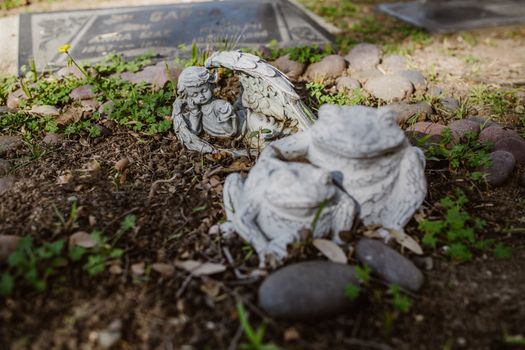
Burying ashes can create a fixed place to visit. In a garden, this might be a quiet corner under a tree or beside a favourite plant. Ashes contained within a biodegradable urn or casket can be buried, perhaps with a memorial tree, headstone or plaque to mark the spot. This is often called a living memorial, and it can feel gentle and hopeful.
If you choose a garden burial, think about the future. If you might move home, will the memorial stay behind? Would you want to take a plaque or a small keepsake with you? These are practical questions, not morbid ones. They help you create a memorial that still works for you in a few years’ time.
Choose a formal resting place
Some families prefer a more formal setting. Ashes can be placed in a burial plot, an urn garden, a niche in a columbarium, or another memorial space. A memorial bench with a plaque is another option, and it gives family and friends somewhere to sit and remember.
These choices can be helpful if you want a permanent place that others can visit. They can also take some of the pressure off one family member’s home or garden. Ask the crematorium, cemetery or memorial provider about the options available and what is included. It is better to ask before you decide than to discover a restriction afterwards.
Keep ashes close with memorial jewellery or glass
Memorial jewellery can hold a small amount of ashes, or ashes can be mixed with glass and made into an ornament or pendant. Some people choose a ring, a bracelet or a necklace. Others prefer a glass piece to keep at home. These items can be a private way to stay close to the person who died, especially if you are not ready to scatter or bury all of the ashes.
Other memorial items are also available. Some services offer a cremation diamond, a bracelet or a marble-like keepsake. These are less traditional, and they are not right for everyone. If you are interested, ask the maker about the process, how much ash is needed and how long it takes. Do not feel pressured to choose something simply because it is unusual.

Mark the moment with a ceremony or event
A scattering or burial can be as simple or as structured as you like. Some families gather for a few quiet words. Others arrange music, readings or a toast. A small ceremony can help everyone feel that the ashes have been placed with care, even if the scattering itself takes only a few minutes.
Some people choose a firework display as a final send-off. It is a less conventional option, and it needs careful planning. If the idea appeals, speak to a professional fireworks company about what is possible, what permissions are needed and whether they can incorporate ashes safely. A display can be a powerful way to mark a life, but it should be organised with the same care as any other memorial.
Consider a drone scattering service
Specialist services now use drones to scatter ashes over meaningful locations on land or at sea. This can be helpful if the place you have in mind is difficult to reach, or if you want a ceremony that can be filmed or streamed for family who cannot attend. A drone scattering can also allow ashes to be released over water or countryside without asking everyone to make a long journey.
If you are considering this route, ask the provider how the ceremony works, what locations they cover and what they offer in terms of filming or keepsakes. Make sure the service feels dignified and personal to you. A good provider should be willing to answer questions and help you plan at your own pace.

Practical questions to ask before you decide
Before you commit to a plan, it can help to talk through a few practical points. These questions are not about getting it perfect. They are about making a choice you can live with.
- Does the place have meaning for you and for other family members?
- Do you need permission from a landowner, site manager or local authority?
- Will you scatter or bury all of the ashes, or keep some back?
- Do you want a permanent marker, such as a plaque, tree or bench?
- Will family members want somewhere to visit in the future?
- Do you want a ceremony, filming or a keepsake to remember the day?
If you are unsure about any of these points, ask your funeral director or the crematorium for guidance. They deal with these questions regularly and can explain the options in your area.
Frequently Asked Questions
How long can I keep ashes at home?
There is no set time limit in the guidance reviewed here, and many families keep ashes at home while they decide what to do. The Bereavement Advice Centre notes that ashes can be stored at home, with a funeral director or at the crematorium. If you are unsure, speak to your funeral director or the crematorium for advice.
Can I scatter ashes anywhere?
Scattering at a crematorium or at a place that was special to your loved one is common. For private land, a managed coastline or a sensitive site, ask the landowner or site manager first. Do not assume that access is allowed. If you plan to scatter while travelling, check the local rules with the relevant authority before you go.
What can I do with a small amount of ashes?
Some families keep a small amount for memorial jewellery, a glass ornament or another keepsake, and scatter or bury the rest. Several bereavement services mention jewellery and glass pieces as options. Ask the maker about their process and how much ash they need before you commit. This can help you avoid sending more ashes than necessary.
Is it better to bury or scatter ashes?
There is no better option. Burying can create a fixed place to visit, especially with a memorial tree, headstone or plaque. Scattering can feel more personal and freeing. Think about how you want to remember the person and whether family members will want somewhere to return to. The right choice is the one that feels honest for your family.
Can ashes be divided between family members?
Some families divide the ashes so that several people can keep or scatter a portion. Guidance from the Bereavement Advice Centre refers to distributing the ashes, so it is an option to discuss. Talk to your funeral director about suitable containers and agree the plan in advance. Keep a note of who has which portion, especially if the ashes will travel.